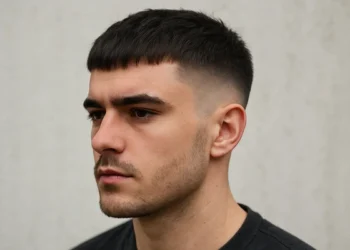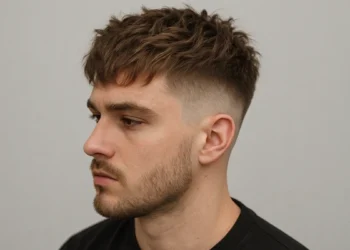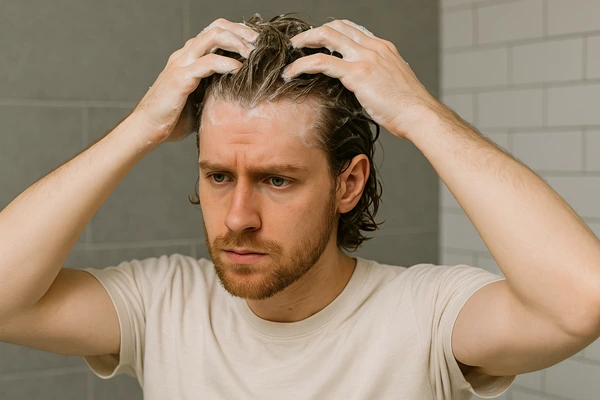
Dealing with oily hair can be annoying — especially when it weighs down your French Crop, ruins your texture, or makes your fade look greasy before the day is even half over. The key is to control excess oil without stripping or irritating the scalp. In this guide, you’ll learn why oily hair happens, what triggers it, and how to fix it using safe, scalp-friendly methods backed by dermatology and trichology principles.
The good news: you can control oil while keeping your scalp healthy. Here’s how.
1. Understand Why Your Hair Gets Oily
Excess oil isn’t a random problem. It usually starts inside the scalp.
Common reasons:
- Overactive sebaceous glands
- Hormonal activity (especially androgens like DHT)
- Heat and humidity
- Heavy hair products (waxes, pomades, oil-based clays)
- Frequent sweating
- Incorrect shampooing
- Harsh cleansers that disrupt scalp pH
Oily hair is often a sign your scalp is trying to compensate for being stripped too harshly.
2. Choose the Right Shampoo (and Use It Correctly)
The shampoo you use can either help or make the problem worse.
✔ Best types for oily hair:
1. Gentle, sulfate-free shampoo
Doesn’t strip the scalp → prevents “rebound oil production.”
2. Clarifying shampoo (once a week)
Look for ingredients like:
- Salicylic acid
- Activated charcoal
- Tea tree oil
- Witch hazel
These remove deep buildup from styling products and dead skin.
3. pH-balanced shampoos
Help maintain the scalp barrier and microbiome.
Pro tip:
Avoid shampooing with scalding-hot water — it overstimulates oil glands.
3. Avoid Heavy Hair Products That Trap Oil
Thick, greasy, or waxy products cling to the scalp and make oil worse.
Products to avoid:
- Oil-based pomades
- Petroleum gel
- Greasy waxes
- Silicones that cause residue
Better alternatives:
- Water-based clays
- Matte pastes
- Sea salt sprays (adds texture without shine)
This keeps styles like a French Crop looking fresher for longer.
4. Don’t Overwash — It Makes Your Scalp Produce More Oil
Washing too often strips natural oils, causing the glands to overproduce sebum to “protect” the scalp.
Ideal routine:
- Shampoo 2–4 times per week
- Rinse with water on non-shampoo days
- Use a mild conditioner just on the ends (not on the scalp)
This keeps the scalp barrier intact.
5. Exfoliate the Scalp Once a Week
Scalp exfoliation helps keep pores clear and reduces oiliness.
Options:
- Chemical exfoliant shampoos (glycolic acid or salicylic acid)
- Scalp brushes
- Micro-exfoliating scrubs
These remove:
- Dead skin
- Product buildup
- Trapped sebum
This helps hair feel cleaner for longer.
6. Don’t Massage Too Hard — It Stimulates Oil Glands
Massaging the scalp promotes circulation, but too much pressure stimulates the sebaceous glands.
Use light, gentle movements while shampooing.
7. Manage Stress (It Affects Oil Production)
Stress increases cortisol, which triggers oil production and scalp imbalances.
Helpful habits:
- Deep breathing
- Regular exercise
- Better sleep routine
- Hydration
- Short breaks during work
Stress management benefits both hair and skin.
8. Clean Your Tools & Touch Your Hair Less
Dirty tools = more oil and bacteria.
Clean regularly:
- Your hairbrush
- Clippers (if you use them at home)
- Pillowcases
- Hats and caps
And avoid touching your hair repeatedly — your fingers naturally deposit oils.
9. Adjust Your Diet to Support Oil Balance
Certain foods encourage balanced oil production.
Increase:
- Omega-3 rich foods (salmon, walnuts)
- Leafy greens
- Eggs
- Zinc-rich foods
- Fresh fruit
Reduce:
- Greasy takeaway foods
- High-sugar snacks
- Dairy (if you’re sensitive)
Your scalp often reflects your diet.
Conclusion
Treating oily hair isn’t about attacking the scalp — it’s about balancing it. When you use the right shampoo, avoid heavy products, exfoliate gently, and support your scalp’s natural microbiome, your oil levels settle down naturally. With consistent care, your hairstyle stays fresher for longer, your scalp feels cleaner, and you avoid the irritation that comes from harsh treatments. Whether you wear a French Crop, a Short Textured Cut, or a Taper Fade, a balanced scalp always makes the style look sharper, healthier, and easier to maintain.