Blog Summary
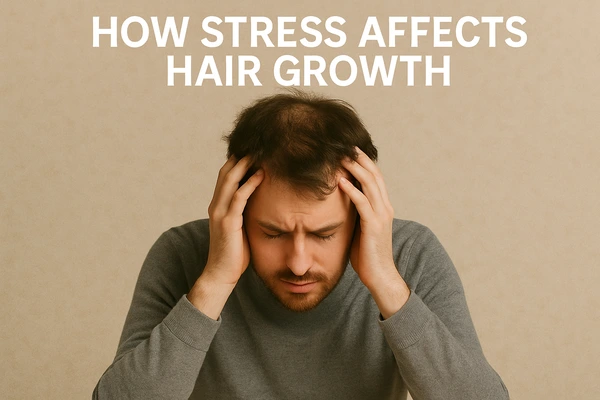
Stress doesn’t just mess with your mood — it directly impacts your hair growth cycle, scalp health, density, and overall appearance. From triggering sudden shedding to slowing down new growth, stress can completely change the way your French Crop, Taper Fade, or any hairstyle looks. In this guide, we explore the science behind stress-related hair loss, the conditions linked to it, and what you can realistically do to protect your hair.
Introduction
Most guys feel stressed at some point — work pressure, relationship problems, poor sleep, money worries, you name it. While you might notice headaches, tiredness, or mood swings… your hair is also paying the price.
Hair growth depends on a stable cycle, healthy follicles, and a well-balanced scalp. When stress hormones spike, everything gets disrupted. That’s why many men deal with sudden shedding, thinning at the crown, or weaker texture during stressful periods.
Here’s what’s really happening under the skin — and what you can do to fix it.
1. Stress Pushes Hair Into the “Shedding Phase” (Telogen Effluvium)
One of the most common stress-related issues is telogen effluvium, where high cortisol levels force hair into the telogen (resting) phase too quickly.
This leads to sudden, noticeable shedding around 2–3 months after a stressful event.
Common triggers include:
- Work burnout
- Illness or infection
- Emotional stress
- Sleep disruption
- Crash dieting
- Surgery or physical shock
How it affects your haircut
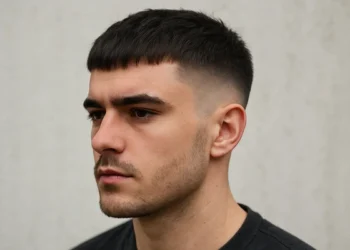
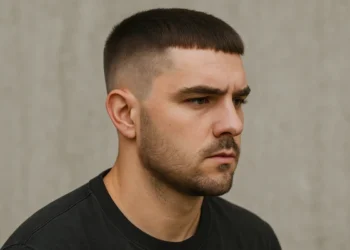
- The French Crop may look thinner and flatter on top.
- Hair texture becomes weaker and struggles to hold styling products.
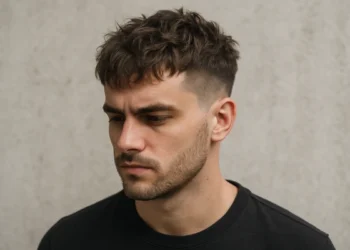
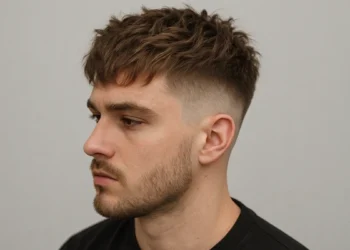
- Fades may appear patchy or uneven due to density changes.
2. Stress Causes Inflammation of Hair Follicles
When you’re constantly stressed, the body activates inflammatory pathways. This inflammation can shrink hair follicles or make them sensitive to styling products.
Inflammation also affects:
- Scalp oil balance
- Dandruff or dry scalp
- Follicle miniaturisation
- Sebum overproduction
Inflamed follicles = weaker growth + dull texture.
3. Stress Can Trigger Hormonal Imbalance
High stress disrupts your hormones — especially cortisol and DHT.
While DHT is already linked to male pattern baldness (androgenetic alopecia), stress can amplify the effect.
How it shows up:
- Receding hairline gets worse
- Thinning at the crown becomes more obvious
- Hair texture becomes wiry or brittle
Even low-maintenance cuts like the French Crop look less full and sharp.
4. Stress Leads to Poor Lifestyle Habits (Which Add Up)
Stress often creates a domino effect of bad habits:
- Skipping meals
- Eating processed foods
- Poor scalp hygiene
- Sleeping late
- Drinking more caffeine
- Not drinking enough water
- Skipping workouts
Each of these affects hair by reducing blood flow, lowering vitamin levels, or disturbing the hair growth cycle.
5. Stress Can Trigger Trichotillomania (Hair-Pulling Disorder)
Some people cope with stress by unconsciously pulling their hair.
This leads to hair breakage, patchy areas, or thinning around the temples.
This can significantly affect how tidy a French Crop or Fade looks.
6. Stress Weakens the Scalp Microbiome
Your scalp has its own ecosystem of bacteria and fungi. Stress disrupts this balance, which can cause:
- Dandruff
- Seborrheic dermatitis
- Oily patches
- Dry flaky areas
- Itchiness
- Smell
Healthy scalp = healthy hair.
Stressed scalp = unhealthy texture and reduced growth.
What You Can Do to Protect Your Hair When You’re Stressed
1. Improve Your Scalp Hygiene
Keep it clean and balanced:
- Use a gentle anti-dandruff shampoo (2–3 times a week)
- Avoid heavy waxes or gels with alcohol
- Use a scalp serum if you feel dryness
Products containing:
- Zinc pyrithione
- Salicylic acid
- Tea tree oil
Help calm inflammation.
2. Manage Your Stress (Practical Steps)
✔ Deep breathing
Slows down cortisol spikes.
✔ Walking or exercise
Boosts blood flow to the scalp and improves mood.
✔ Sleep 7–8 hours
Poor sleep = hormonal imbalance, which = hair loss.
✔ Break your overwhelm into small tasks
Easier for your brain to handle.
✔ Talk to someone
Stress feels heavier when you hold it alone.
3. Eat Hair-Friendly Foods
Choose foods rich in:
- Biotin
- Omega-3
- Iron
- Vitamin D
- Zinc
- Protein
Foods like salmon, eggs, spinach, walnuts, pumpkin seeds, and avocados support the anagen (growth) phase.
4. Treat Your Hair Gently
- Avoid over-washing
- Avoid hot showers
- Don’t blow dry on maximum heat
- Avoid tight hats
- Let your hair rest from heavy products
Your follicles are fragile during stress.
5. Consider a Scalp Massage Routine
Massaging for 5 minutes daily:
- Increases blood circulation
- Improves relaxation
- Strengthens follicles
- Stimulates the growth phase
Even your barber’s shampoo massage helps more than you think.
Conclusion
Stress affects hair growth more deeply than most people realise. From disrupting the growth cycle to triggering inflammation, hormones, and sudden shedding, the effects show up fast — especially in short hairstyles like the French Crop or Taper Fade.
The good news?
Once you manage stress and create a healthier routine, your hair usually bounces back. A few months of care can make your crop look thicker, fuller, and sharper again.