A job interview is often your first real interaction with a company. Before you even start speaking, the interviewer forms an impression based on how you look. Your clothes matter, your body language matters, and yes — your hairstyle matters too.
HR professionals are not expecting perfection or fashion-forward looks. What they do notice is whether you look prepared, professional, and suitable for the role. Your hairstyle plays a quiet but important part in that judgment.
This guide explains why hairstyles matter in interviews, what recruiters actually notice, and which hairstyles work best for different roles and industries.
Why Your Hairstyle Matters in a Job Interview
First impressions happen quickly. Research in recruitment psychology shows that interviewers often form an opinion within the first few seconds of meeting a candidate.
A neat hairstyle suggests good personal grooming and attention to detail. It shows that you understand professional expectations and respect the interview process. On the other hand, messy or distracting hair can unintentionally send the message that you are unprepared or careless.
Your hairstyle does not replace your skills or experience, but it supports your overall professional image.
Need to Know: How Your Hairstyle Shapes First Impressions in Business Meetings
What HR Professionals Really Notice
Most HR professionals are not analysing hairstyles in detail. They are simply checking whether your appearance feels appropriate for the workplace.
They usually notice:
- Clean, well-groomed hair
- Hair that does not hide your face
- A style that suits the job role
- Balance between personality and professionalism
Simple and controlled hairstyles help the interviewer focus on your answers instead of your appearance.
Best Hairstyles for Job Interviews for Men
Men’s interview hairstyles should look tidy, structured, and easy to maintain.
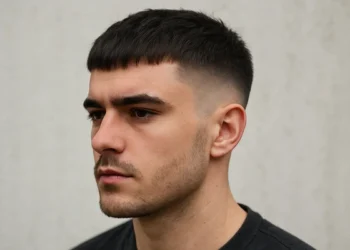
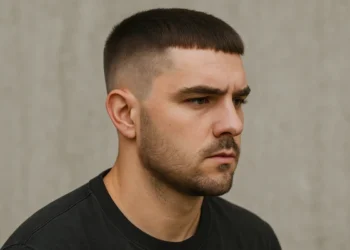
Classic options are always safe choices. Styles such as a low taper fade, side part haircut, short back and sides, crew cut, or Ivy League haircut work well in most industries. These styles look professional without drawing attention.
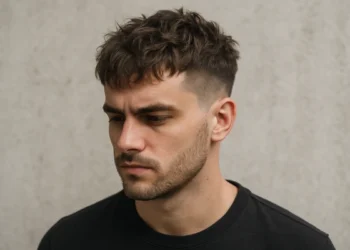
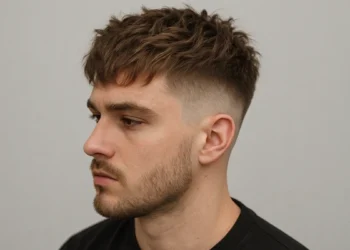
If you prefer a more modern look, it is still possible to stay professional. A mid taper fade with a neat top, a short textured crop, or a clean comb-over can work well when styled lightly. The key is control — avoid heavy styling products or extreme volume.
Styles to avoid include very sharp skin fades, messy or spiked hair, bright hair colours, or untrimmed facial hair. These can distract the interviewer and feel unsuitable for formal environments.
Best Hairstyles for Job Interviews for Women
Women have more flexibility, but the same rule applies: neat, professional, and face-clear styles work best.
Classic interview hairstyles include a low bun, chignon, sleek ponytail, or a classic bob haircut. Straight or softly waved shoulder-length hair also looks polished and professional.
Modern styles are acceptable when kept tidy. Soft layers with controlled volume, half-up styles, or neatly styled natural curls can look confident and appropriate, especially in creative or relaxed workplaces.
It is best to avoid hairstyles that cover the face, feel overly messy, include heavy accessories, or use very bold colours unless the company culture clearly supports it.
How Industry Affects Hairstyle Expectations
Different industries have different grooming standards.
In corporate, finance, and legal roles, conservative hairstyles are preferred. Clean lines and minimal styling create a trustworthy and professional impression.
In creative and tech industries, there is more flexibility. Personal style is often welcome, but hair should still look clean and intentional.
For healthcare, education, and public service roles, hygiene and practicality are key. Hairstyles are usually simple, controlled, and easy to manage.
Understanding the industry helps you choose a hairstyle that fits naturally.
Matching Your Hairstyle with Company Culture
Before your interview, take a few minutes to research the company. Look at their website, LinkedIn page, and team photos. This gives you a sense of how employees present themselves.
If you are unsure, it is always safer to choose a slightly more formal hairstyle. You can show more personal style once you are part of the organisation.
Hair Grooming Tips Before Interview Day
Good grooming is just as important as the haircut itself. Aim to get your haircut about three to seven days before the interview so it looks fresh but natural.
On the day of the interview, wash your hair, keep styling simple, and control flyaways. Use minimal product and make sure facial hair, if any, is neatly trimmed.
Small details often make a big difference.
Do Hairstyles Really Influence Hiring Decisions?
HR professionals rarely reject someone based on hairstyle alone. However, appearance can influence first impressions and unconscious bias.
A professional hairstyle:
- Builds trust
- Shows self-awareness
- Helps the interviewer focus on your skills
When your hair looks right, it supports your confidence rather than distracting from it.
A Simple Interview Hairstyle Check
Before leaving for your interview, ask yourself:
- Is my hair clean and tidy?
- Is my face clearly visible?
- Does this style suit the role and company?
If the answer is yes, you are ready.
Final Thoughts
Your hairstyle will not get you hired by itself, but it can certainly help or hurt your first impression. HR professionals notice grooming because it reflects professionalism, preparation, and respect for the workplace.
Choose a hairstyle that feels comfortable, looks neat, and fits the role you are applying for. When your appearance supports your confidence, your skills and personality can shine through naturally.